

Web Design Trends in 2026: From Visual Noise to Intentional Clarity
For more than a decade, web design trends were driven by novelty.
If something looked new, complex, or technically impressive, it spread fast — parallax everywhere, infinite animations, hover states stacked on hover states. Many websites became showcases of capability rather than tools for communication.
In 2026, that mindset is quietly but decisively shifting.
The most effective websites today are not the loudest ones. They are the clearest. They feel calm, intentional, and respectful of the user’s attention — and that change is not aesthetic preference, but a response to real behavioral data.
The rise of intentional restraint
According to long-running usability research by Nielsen Norman Group, users rarely read pages word by word. They scan, jump, and make decisions quickly. Attention is fragmented, sessions are shorter, and tolerance for friction is lower than ever.
As a result, design is moving away from decoration and toward editing.
This shows up as:
- Fewer visual styles per page
- Stronger typographic hierarchy
- Clearer content grouping
- Interfaces that feel “obvious” rather than clever
Designers are increasingly learning that clarity builds trust faster than creativity alone.

Typography as the primary interface
Typography is no longer just a styling choice — it is the interface.
With fewer visual distractions, type now carries more responsibility: guiding attention, establishing rhythm, and communicating tone. Large, readable type scales paired with generous spacing have become a defining pattern of modern websites.
This shift is strongly supported by accessibility research. The Web Content Accessibility Guidelines (WCAG) emphasize readable font sizes, sufficient contrast, and predictable layout flow — all of which align naturally with today’s typographic systems.
In practice, this means:
- Fewer fonts, used consistently
- Clear hierarchy over expressive lettering
- Content that reads well on imperfect screens and lighting conditions
Good typography doesn’t draw attention to itself — it helps users forget it’s there.
Performance is a design decision
Design no longer stops at visuals.
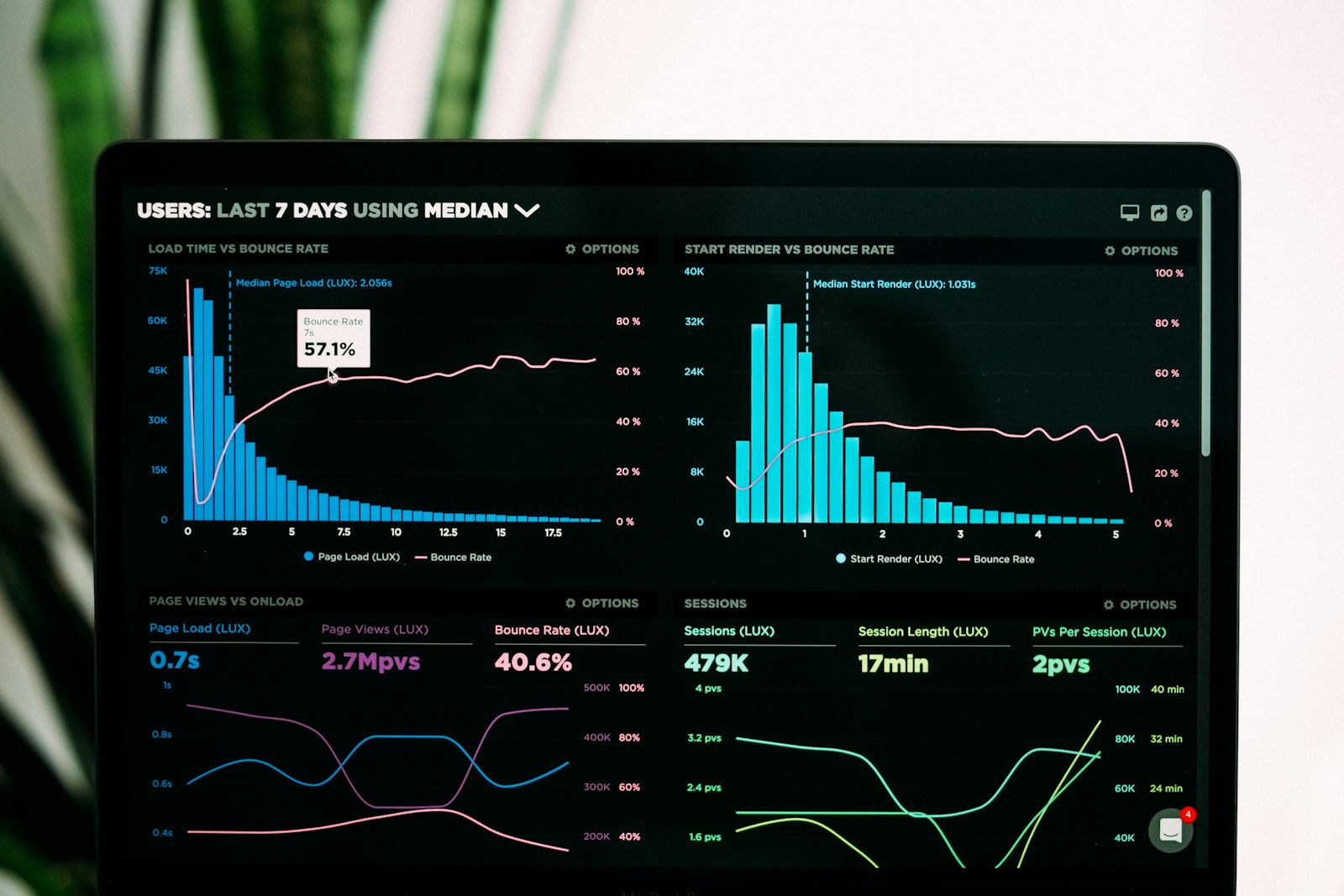
Research from Google’s Web Vitals initiative shows that perceived speed strongly affects user trust. Websites that load slowly are consistently rated as less reliable and less professional — even when their visual design is strong.
As a result, performance has become part of the design process itself:
- Lighter layouts
- Fewer blocking assets
- Motion used sparingly and purposefully
- Progressive enhancement instead of heavy client-side logic
In 2026, a fast site feels better than a flashy one.
Motion with purpose, not spectacle
Motion isn’t disappearing — it’s becoming quieter.
Instead of constant animation, designers now use motion to:
- Indicate hierarchy
- Confirm user actions
- Guide transitions between states
This aligns with findings from cognitive psychology: unnecessary motion increases cognitive load and reduces comprehension. Purposeful motion, on the other hand, improves orientation and reduces perceived effort.
The best motion designs in 2026 are often barely noticeable — and that’s exactly why they work.
Accessibility as a baseline, not a feature
Accessibility is no longer treated as a compliance checkbox.
As audiences become more global and diverse, accessible design has proven to benefit everyone. High contrast, logical navigation, readable layouts, and keyboard-friendly interactions improve usability across devices, ages, and abilities.
Design systems built in 2026 increasingly assume:
- Accessibility-first color palettes
- Semantic structure
- Predictable interaction patterns
Inclusive design is not a constraint — it’s a multiplier.

The quiet web feels more confident
There is something inherently confident about a website that doesn’t try to impress immediately.
It knows who it’s for.
It knows what matters.
It trusts the user to stay.
This is the defining shift of web design in 2026: from visual performance to intentional communication.
The web is growing up — and honestly, it’s about time.
This article reflects ongoing observations from UX research, accessibility standards, and real-world web behavior. It will evolve — just like the web itself.